Word search puzzles for 6th graders stand out from other resources because they combine learning with fun, helping students enhance their vocabulary and critical thinking skills. These puzzles are specifically designed to challenge 11- to 12-year-olds, making them an excellent tool for teachers looking to reinforce classroom learning in an enjoyable way. They not only engage students but also provide a structured format for practicing spelling and word recognition.
Understanding the Format of Word Search Puzzles
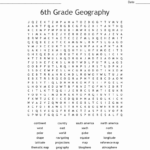
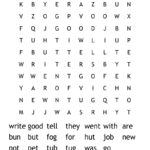
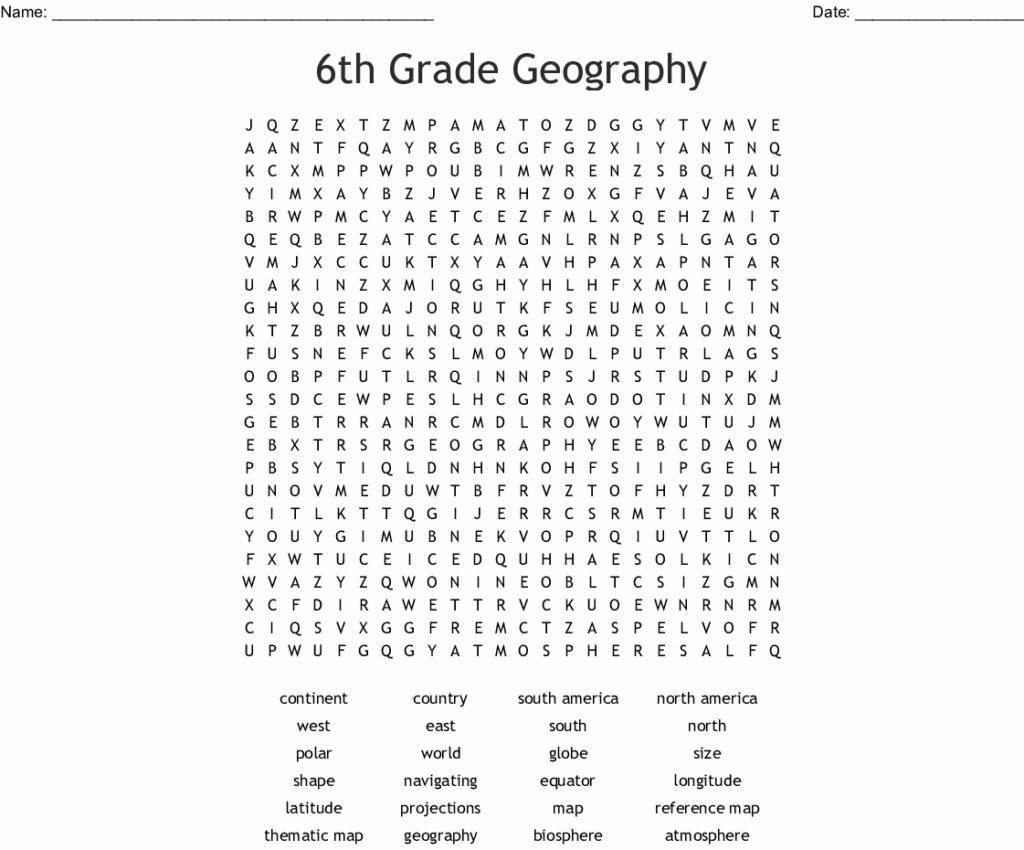
When you first look at a word search puzzle, you’ll notice a grid filled with letters. The goal is to find and circle or highlight specific words hidden within this jumble. Typically, words can appear in any direction: horizontally, vertically, diagonally, and even backward.
For 6th graders, the layout often includes a list of words at the bottom or side of the puzzle. This clear presentation helps students focus on their search without feeling overwhelmed. The puzzles can vary in size, but a standard format might be a 15×15 grid, which offers ample challenge without becoming too daunting for younger learners.
Key Features to Look For
- Word List: A concise list of words relevant to a specific theme or subject area, such as science terms, historical figures, or vocabulary from literature, enhances educational value.
- Grid Size: Make sure the grid size is appropriate for your students’ skill level. Larger grids can be better for advanced students, while smaller ones suit younger or less experienced learners.
- Difficulty Levels: Some puzzles offer variations in difficulty, allowing you to choose the right one based on your students’ abilities. For example, puzzles with fewer words or smaller grids are ideal for beginners.
How to Use Word Search Puzzles in the Classroom
Word search puzzles can be used in various settings to engage students. Here are some practical ideas:
- Independent Practice: Distribute puzzles for students to complete individually. This quiet activity can serve as a calming break from more intense tasks or a way to reinforce vocabulary.
- Group Activities: Pair students or form small groups to work on puzzles together. This encourages collaboration and discussion about the words they’re finding, promoting teamwork and communication skills.
- Homework Assignments: Assign puzzles as homework to reinforce vocabulary learned in class. This approach helps students apply their learning outside the classroom.
- Themed Lessons: Use puzzles that align with specific lesson themes, such as holidays, seasons, or subjects like math and science. This makes learning more relatable and enjoyable.
Preparation Tips
Before handing out these puzzles, consider these preparation tips:
- Print Quality: Opt for high-quality paper or cardstock to ensure the puzzles withstand repeated handling, especially in a classroom setting.
- Laminating: For puzzles meant to be reused, laminate them. This allows students to use dry-erase markers, making it easy to wipe clean for multiple uses.
- Answer Keys: If you’re using the puzzles for assessments or homework, having answer keys can be helpful for quick grading.
Replayability and Challenge
One of the great aspects of word search puzzles for 6th graders is their replayability. While a single puzzle may be completed once, variations can be created. You can easily generate new puzzles by changing the words or themes, ensuring that students won’t tire of the same material.
Creating Custom Puzzles
If you want to tailor challenges to your specific curriculum, consider creating custom puzzles. There are various online tools available that allow teachers to input their own word lists and generate unique puzzles. This way, you can focus on vocabulary that aligns with your lesson plans.
Engaging Themes for Word Search Puzzles
Choosing themes that resonate with your students can make the learning experience more enjoyable. Here are a few engaging themes suitable for 6th graders:
- Science: Include terms related to biology, chemistry, or physics.
- Literature: Use vocabulary from books being read in class or famous authors.
- History: Feature historical figures, events, or significant dates.
- Holiday: Create puzzles around winter holidays, Halloween, or Earth Day, incorporating relevant vocabulary.
Integrating Word Search Puzzles With Technology
With the rise of digital learning, consider integrating technology into your use of word search puzzles. There are many online platforms and apps that provide interactive word search games, which can be a fun change of pace.
Benefits of Digital Versions
- Instant Feedback: Digital puzzles often provide immediate feedback, helping students learn from their mistakes in real-time.
- Accessibility: Students can access puzzles from home or school, making them a flexible option for learning.
- Engagement: Many digital games include sound effects and animations, making the experience more engaging for tech-savvy students.