When it comes to engaging young learners, Kindergarten Tracing Lines Worksheets For 3 Year Olds stand out among various educational resources. These worksheets are specifically designed to help children develop essential fine motor skills and hand-eye coordination, which are foundational for writing. You might have tried other tracing resources before, but this particular set is tailored with age-appropriate designs and formats that resonate well with the developmental stages of three-year-olds.
Understanding the Importance of Tracing Lines
Tracing is not just a fun activity; it’s a crucial part of early childhood education. At this age, children are exploring their abilities to control a pencil or crayon. Tracing lines helps them learn how to grip writing instruments properly, leading to better writing skills in the future. For 3-year-olds, who are just beginning their educational journey, these worksheets provide a structured yet flexible way to practice.
The designs in these worksheets can vary from straight lines to curves and circles, all of which challenge children to follow paths and improve their coordination. This process builds confidence as they see their progress, and it encourages them to engage more deeply with writing tasks.
Features of Kindergarten Tracing Lines Worksheets
The Kindergarten Tracing Lines Worksheets For 3 Year Olds typically come in a variety of layouts and styles. Here’s what you can expect:
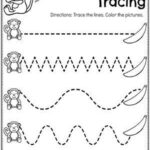
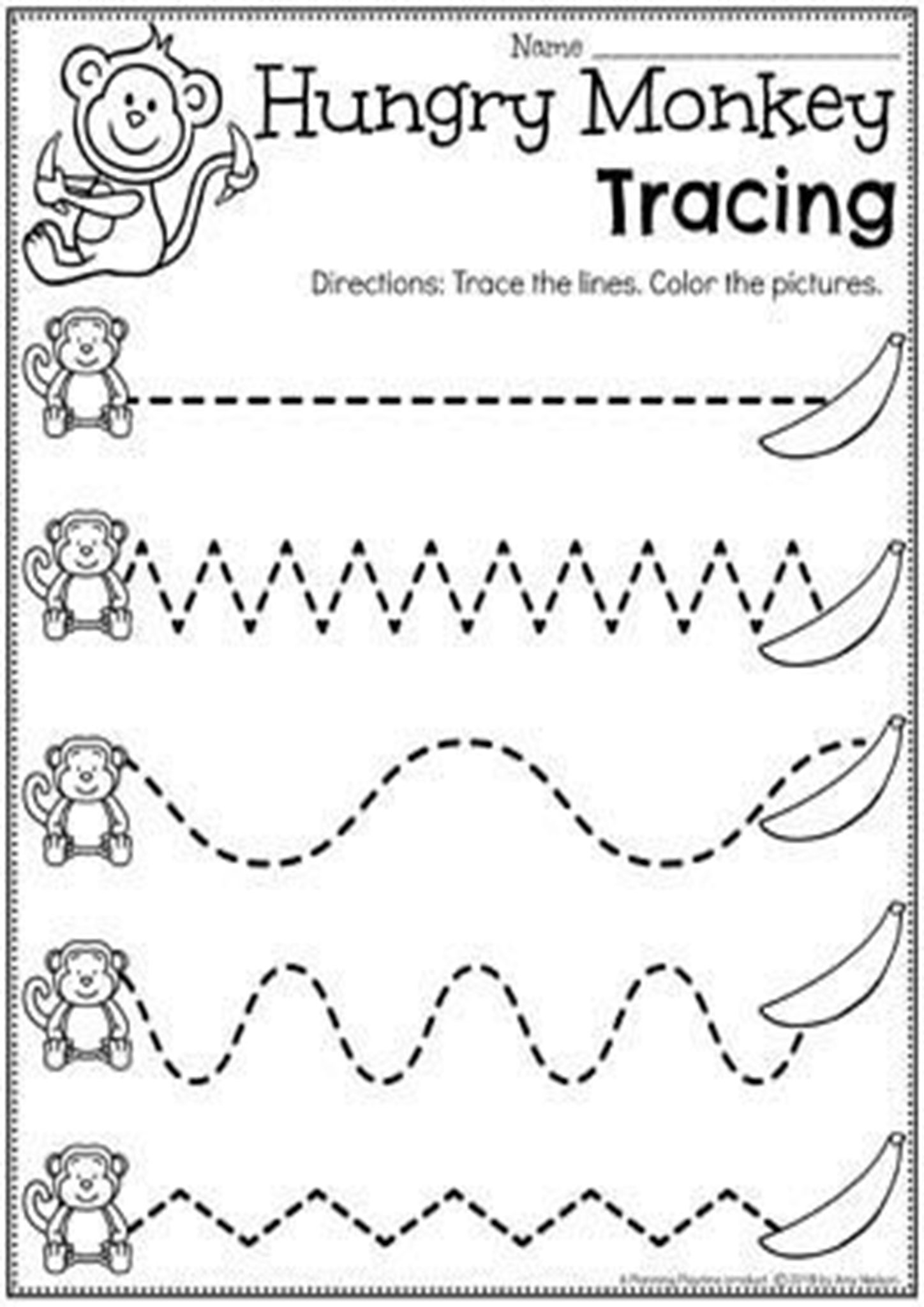
- Variety of Line Types: Worksheets include different types of lines—straight, curved, zigzag, and dotted lines—allowing children to practice a range of movements.
- Engaging Graphics: Many worksheets feature fun illustrations or themes that capture the attention of young learners, making the tracing experience enjoyable.
- Clear Instructions: Each worksheet usually includes simple instructions, helping both parents and teachers guide children effectively.
- Durable Format: These worksheets are often designed for repeated use, meaning they can be laminated for dry-erase markers, allowing for multiple practice sessions.
Practical Use in Classrooms and Homes
When using tracing lines worksheets, consider the setting in which they will be used. Whether in a classroom or at home, these worksheets can fit seamlessly into various educational activities.
Classroom Logistics
In a classroom setting, you might print these worksheets in bulk to ensure every student has access. Depending on your class size, printing on standard A4 or letter-sized paper works best. Portrait layout is generally more suitable for most home printers, but ensure your printer settings are adjusted for the best quality. To save time, consider preparing a folder for each student containing a mix of worksheets to keep them engaged throughout the week.
Homeschooling Tips
For parents homeschooling their children, these worksheets can become a daily activity. You can integrate them into your routine by setting aside specific times for tracing practice. Pair the worksheets with storytelling or arts and crafts that relate to the themes on the worksheets to create a cohesive learning experience.
Enhancing Learning With Additional Activities
While tracing lines is essential, you can enhance learning by incorporating additional activities. Here are a few suggestions:
- Use Manipulatives: Incorporate items like playdough or small toys for children to trace around. This tactile experience reinforces the concept of shapes and lines.
- Interactive Games: Turn tracing into a game by using a timer and seeing how many lines they can trace correctly in a minute. This adds an element of fun and competition.
- Art Integration: After practicing on worksheets, encourage children to draw their own lines and shapes. This transitions them from structured tracing to creative expression.
Choosing the Right Paper and Printing Options
Selecting the right paper for printing your Kindergarten Tracing Lines Worksheets For 3 Year Olds can significantly affect the durability and usability of the resources. Here are some tips:
- Paper Type: Use heavier weight paper or cardstock if you plan to laminate the worksheets. This will help them withstand repeated use without tearing.
- Ink Considerations: If using colored designs, ensure your printer has sufficient ink. High-quality printing will make the graphics more appealing to children, enhancing their interest in the activity.
- Lamination: Laminating the worksheets allows for dry-erase markers to be used, making them reusable. This is especially cost-effective for homeschooling or larger classrooms.
Assessing Progress and Feedback
As children use the Kindergarten Tracing Lines Worksheets, it’s essential to assess their progress. Look for improvements in their grip and control over writing instruments. You can provide feedback in a positive manner, celebrating small achievements to boost their confidence.
Additionally, you may want to keep a portfolio of their completed worksheets. This not only tracks their development over time but also allows them to see their progress visually.