Tracing Months Of The Year is a fundamental skill that supports children’s understanding of time, an essential part of their learning journey. Many teachers and parents find that generic worksheets don’t always engage students or provide the structure needed for mastery. So, why not consider more tailored resources that can make learning enjoyable and effective? In this article, we’ll explore various printable worksheets designed specifically for tracing the months of the year, providing practical tips for implementation in classrooms or at home.
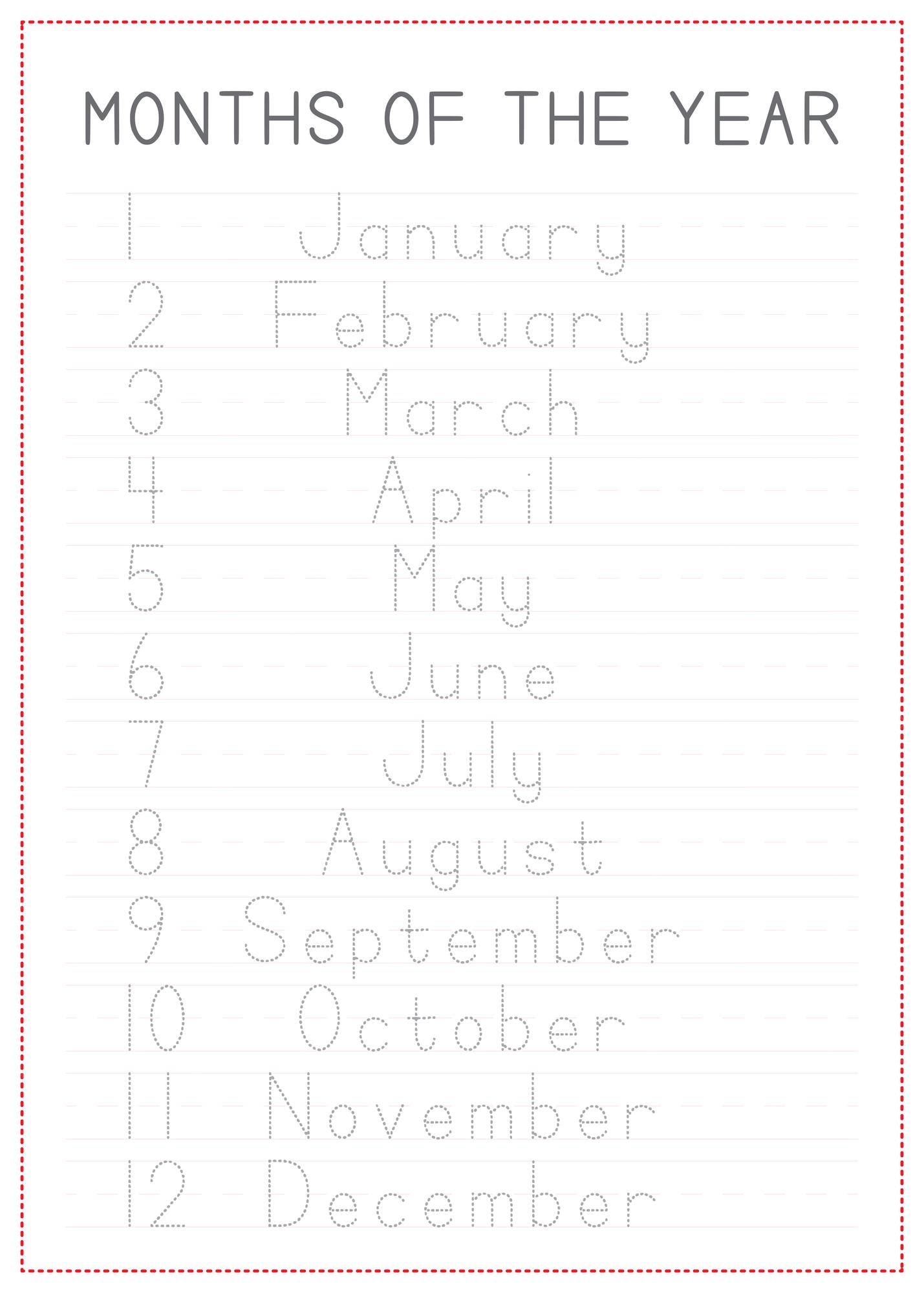
Understanding the Importance of Tracing Months of the Year
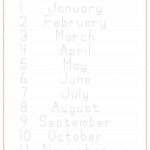
When teaching young learners about the months of the year, tracing worksheets can play a vital role. These resources help children not just memorize the months but also develop fine motor skills as they practice their handwriting. Tracing encourages muscle memory, which is crucial for writing fluency.
Moreover, using tracing worksheets allows for a visual representation of the calendar, helping students make connections between the names of the months and their sequence. This understanding is not just about rote learning; it lays the groundwork for more complex concepts such as understanding seasons and planning events.
Printable Tracing Worksheets: What to Look For
When selecting tracing worksheets for the months of the year, here are some key features to consider:
- Clear Format: Look for worksheets that present the months in a clear, easy-to-read font. This helps children recognize letters and words more effectively.
- Visual Elements: Including images or icons relevant to each month (like snowflakes for January or flowers for April) can enhance engagement and provide context.
- Size and Layout: Ensure the printables are designed for easy printing on standard A4 or letter-sized paper. Portrait layout typically works best for tracing sheets.
- Variety of Activities: Some worksheets may include not just tracing but also coloring opportunities or matching games, which can enhance learning through variety.
Effective Techniques for Using Tracing Worksheets
To maximize the benefits of tracing worksheets in your teaching, consider the following techniques:
- Introduce One Month at a Time: Focus on one month per session. This allows students to delve deeper into each month’s significance, such as holidays or seasonal changes.
- Pair with Calendar Activities: Use a large classroom calendar alongside tracing worksheets. As students trace, they can point to the corresponding month on the calendar, reinforcing the connection.
- Incorporate Group Work: Have students work in pairs or small groups to share their completed worksheets. This not only builds confidence but also allows for peer learning.
- Regular Review: Set aside time each week for students to revisit previously learned months. This could be through quick tracing exercises or fun activities like singing a months-of-the-year song.
- Home Engagement: Encourage parents to participate by sending sheets home for practice. This creates an opportunity for families to reinforce learning together.
Tracking Progress: Signs of Mastery
It’s essential to gauge whether students are grasping the concept of the months of the year. Here are indicators that suggest mastery:
- Fluency in Tracing: Students should be able to trace the names of the months smoothly without excessive hesitation or mistakes.
- Verbal Recitation: If children can recite the months in order, it shows they have internalized the sequence.
- Recognition of Context: Ask students to identify specific months when given a holiday or season. For example, “Which month do we celebrate Thanksgiving?”
If students exhibit difficulty in these areas, it may indicate a need for additional practice or a different teaching approach.
Additional Activities to Complement Tracing
To enrich the learning experience, consider integrating these activities alongside the tracing worksheets:
- Monthly Themes: Create themed weeks based on the months. For instance, for March, focus on St. Patrick’s Day, discussing related vocabulary and traditions.
- Art Projects: Have students create a collage representing their favorite month. This allows for creative expression while reinforcing their understanding of the calendar.
- Story Time: Share stories or books that highlight specific months. This could include seasonal tales or books that discuss holidays and events in each month.
- Interactive Games: Use flashcards or matching games where students pair month names with corresponding images or activities. This keeps learning playful and engaging.
Final Considerations for Effective Use
When implementing tracing worksheets in your teaching, one caveat to remember is to avoid overwhelming students. Introducing too many resources at once can lead to confusion and frustration. Start with simple, clear worksheets, and gradually introduce more complex ones as students gain confidence.
Incorporating a mix of activities can help maintain interest and cater to different learning styles. Remember, the goal is not only to teach the months but to foster a love for learning and an understanding of time that will serve students well in their academic journey.