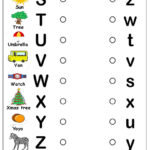
Teaching young learners to recognize and match uppercase and lowercase letters is vital in their literacy development. These skills form the foundation for reading and writing. However, many educators face challenges in making this learning process engaging and effective. The resource of printable worksheets designed for matching uppercase and lowercase letters can be a game-changer. guide you through how to select, download, print, set up, and effectively use these resources in your classroom.
Understanding the Importance of Letter Recognition
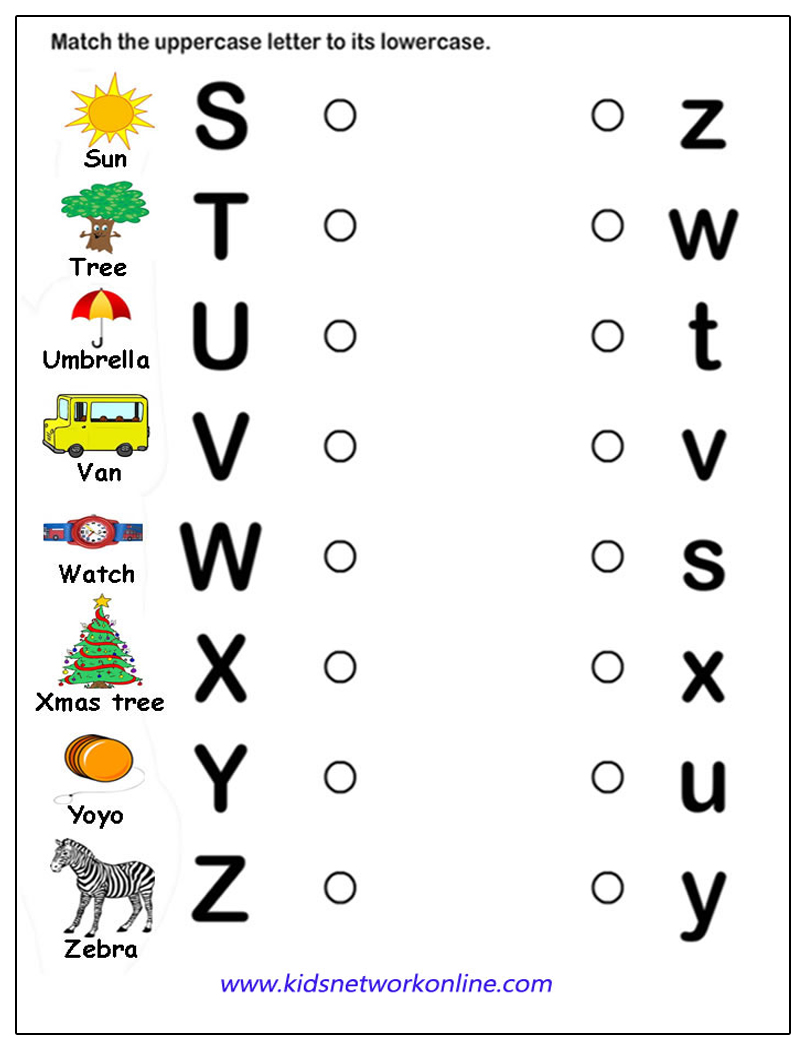
Recognizing uppercase and lowercase letters is a critical milestone in early education. Children need to differentiate between the two forms as they start to read and write. Mastery of this skill helps them understand the structure of words and prepares them for more complex literacy tasks. Worksheets that focus on matching uppercase and lowercase letters help reinforce this learning through practice.
Selecting the Right Printable Worksheets
When looking for worksheets, consider these factors:
- Age Appropriateness: Ensure the worksheets are designed for the age group you’re teaching. For preschoolers and kindergarteners, look for simple designs that focus on a few letters at a time.
- Engagement Factor: Kids learn best when they are engaged. Choose worksheets that incorporate fun themes or colorful illustrations.
- Variety of Activities: Worksheets should offer a mix of activities, such as tracing, matching, and identifying letters in context. This variety helps maintain interest and caters to different learning styles.
You can find resources through educational websites that specialize in printable materials. Many of these sites offer free downloads, while others may require a small fee for premium content.
Downloading and Printing Your Resources
Once you’ve selected the appropriate worksheets, downloading and printing them is straightforward. Here are the steps:
- Download the File: Most resources will be available in PDF format. This format is preferred as it preserves the layout and is compatible with most devices.
- Check Printer Settings: Before printing, check your printer settings. Use a standard paper size (like 8.5×11 inches) and ensure that the print quality is set to a high resolution for clear images.
- Print a Test Page: If you’re using a new type of paper, print one test page to ensure the colors and layout appear as expected. This is particularly important if you are printing in color.
It’s a good practice to use cardstock for worksheets that will be used repeatedly, as it holds up better than regular paper.
Setting Up for Success in the Classroom
Once you have your worksheets printed, consider how to set up your classroom environment to maximize learning:
- Organize a Letter Matching Station: Set up a dedicated area where students can freely practice matching uppercase and lowercase letters. This could include a mix of worksheets, magnetic letters, and even digital options if you have tablets available.
- Incorporate Movement: Engage students by incorporating physical movement. For example, have them find and match letters around the classroom or use letter cards in a matching game.
- Group Activities: Pair students for group activities. This encourages collaboration and allows them to learn from one another as they work through the worksheets together.
Using the Worksheets Effectively
To make the most out of your matching worksheets, here are some strategies:
- Model the Activity: Start by demonstrating how to match letters. Use a large version of the worksheets on a whiteboard or projector.
- Provide Clear Instructions: Ensure your students understand what they need to do. Use simple language and give examples.
- Monitor Progress: Walk around the room as students work. Provide support where needed and observe their progress. This helps identify those who may need additional assistance.
- Incorporate Technology: If possible, integrate technology by using educational apps that reinforce the same skills. This can be a fun supplement to the worksheets.
Tracking Student Progress
Keeping track of student progress is essential for effective teaching. Here are some practical ways to do this:
- Create a Progress Chart: Use a simple chart to record which letters each student has mastered. This visual representation can motivate students as they see their progress.
- Regular Assessments: Conduct informal assessments every few weeks to gauge understanding. This can be as simple as asking students to identify letters or complete a short matching exercise.
- Feedback Sessions: Hold one-on-one feedback sessions with students. Discuss their progress and set goals for the next steps in their learning journey.
Encouraging Home Practice
To reinforce skills outside the classroom, encourage parents to engage in letter matching at home. Share strategies and resources that they can use. Here are some ideas:
- Printable Homework: Send home additional worksheets for practice. This helps parents understand what their child is learning.
- Letter Games: Suggest simple games that parents can play with their children, such as scavenger hunts for letters in books or around the house.
- Reading Together: Encourage parents to read with their children, pointing out both uppercase and lowercase letters as they go along.
By equipping parents with tools and strategies, you create a supportive learning environment that extends beyond the classroom.
Final Tips for Success
As you implement matching uppercase and lowercase letters activities in your classroom, keep these final tips in mind:
- Stay Flexible: Be ready to adjust your approach based on your students’ needs. Not every method will work for every child.
- Celebrate Achievements: Acknowledge when students master new letters. This boosts their confidence and encourages further learning.
- Use Real-World Examples: Incorporate real-world examples of letters, such as signs or labels in the classroom, to help students connect their learning to everyday life.
With these strategies, you can create a dynamic learning environment that effectively teaches matching uppercase and lowercase letters. Download your worksheets today, set up engaging activities, and watch your students thrive in their literacy skills.